Roof replacement in Hesperia priced against a written scope, with the fastening pattern specified for High Desert wind and the cool-roof route settled before you choose a product.
A Hesperia replacement is decided by two things a valley quote never mentions: how it is fastened, and what the energy code wants. Zone 14 wind means a high-wind nailing pattern rather than the four-nail minimum, and zone 14 also puts the steep-slope cool-roof requirement in play once you replace half the roof. Neither is visible afterwards, which is exactly why both belong in writing.
High Desert roofs do not fail the way coastal roofs fail. There is no salt air and very little rain to blame. What there is instead is ultraviolet at altitude, a daily temperature swing that can run forty degrees between afternoon and dawn, and wind with nothing in the way of it.


A full replacement here typically runs $7,500 to $18,000. High Desert labor sits below the Los Angeles basin and travel is longer, so an LA average reads high and a national average reads low. A survey is what turns a range into a price. Two lines matter more on a Hesperia quote than the shingle brand. The fastening pattern, because a four-nail minimum does not survive the wind here. And whether your attic already meets R-20, which exempts you from the cool-roof requirement entirely.
A simple roof shape, a sound plywood deck, road access a truck can reach, and an attic that already meets one of the cool-roof exceptions.
A high-wind fastening specification on an exposed lot, tile rather than composition, several structures on one parcel, or soft decking found once the covering is off.
How many nails, and where. It is invisible afterwards, it costs very little at the time, and out here it is the difference between a roof that survives a spring blow and one that does not.
What this often turns out to be instead, and the cost of each.
Zone 14 puts this in play on any re-roof covering half the roof or more: aged solar reflectance 0.20 and thermal emittance 0.75, or SRI 16.
Tile is the right covering for this climate and the felt under it is the wrong one.
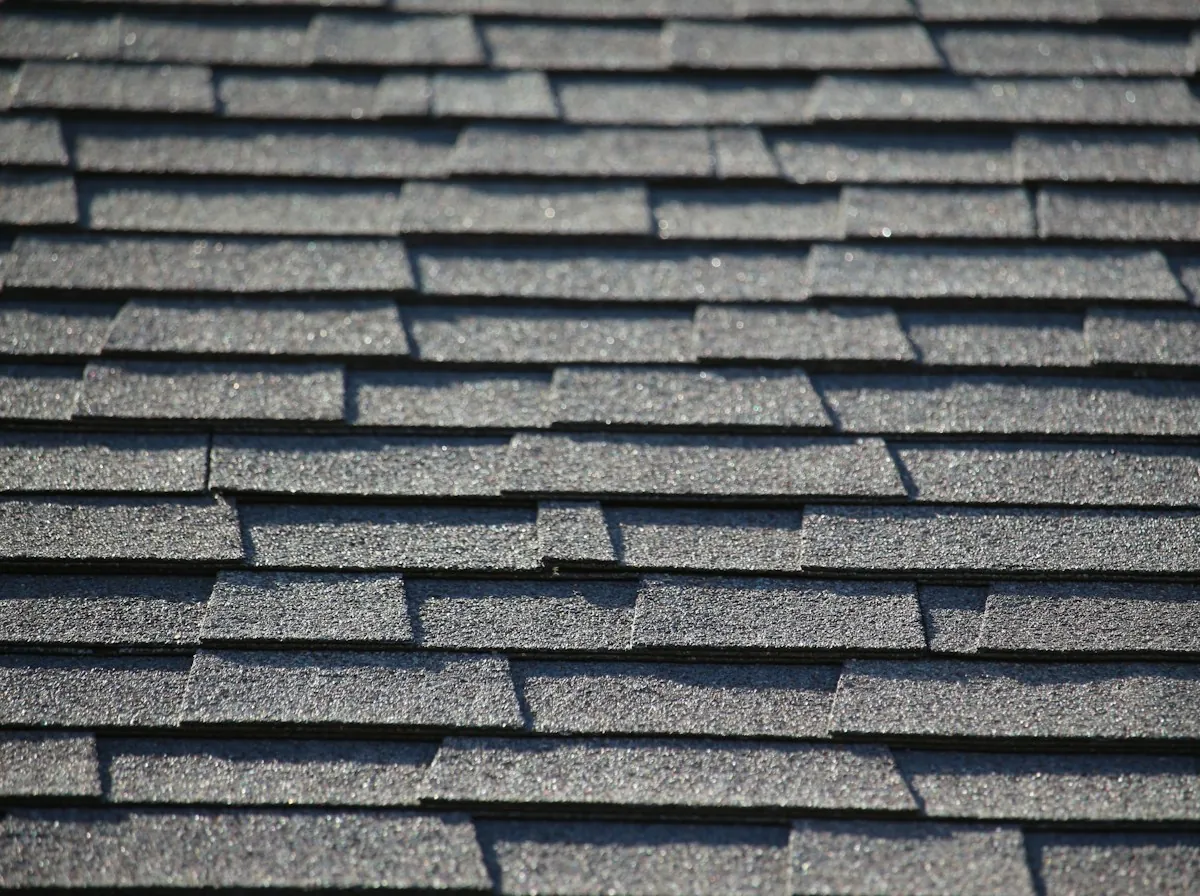
Composition has the shortest life of any covering in zone 14, and the reason is mechanical rather than thermal: a forty-degree daily swing works the mat until it cannot recover.
Low slope carries the strictest cool-roof requirement in the state -- aged SRI 75, in all sixteen zones with no exemption -- which is a far higher bar than the 16 that applies to your pitched roof.
High Desert roofs fail unevenly, which makes partial genuinely worth costing here.
This is a replacement company saying so. In the High Desert the expensive mistake is buying a new covering when the problem was the felt, the fastening or the ventilation.
Concrete tile handles this climate well. Standard felt in a hundred-degree attic does not. A tile roof quoted at $22,000 to $45,000 is very often a $6,000 to $16,000 relay -- with a high-temperature underlayment this time.
If the complaint is an unbearable upstairs rather than a leak, attic ventilation and insulation will do more than any covering -- and R-20 insulation happens to exempt you from the cool-roof requirement as well.
What lets go out here is usually a fixing or a lap that the wind has worked on for a season, and putting it right is a few hundred dollars. It is also the commonest opening for a replacement pitch, which is a different conversation entirely.
And roofs do finish out here, all at once, after enough seasons of wind and sun. When that is the answer we will give it -- and show you the slope it is based on.
Free inspection, the nailing and aged rating in writing, then a written quote.
Tell us what you found -- and out here that is often shingle in the yard after a windy night rather than water inside. Both are worth a call; the first one is cheaper.
Which slopes take the afternoon sun, how exposed the lot is, and what the attic insulation measures. All three change the specification before the covering is even discussed.
Four nails passes inspection anywhere in California. Six in the correct zone is what survives a High Desert spring. It costs very little and it is invisible afterwards, so it goes on the quote.
High-temperature underlayment on any tile relay. Aged ratings from the CRRC listing. The area left clean and the photographs handed over.
Including ours. There are enough storm-chasers working this corridor that the checks are worth making on anybody.
Roofing is licensed work in California under classification C-39, and the register is public. Volunteering the number unprompted is a good sign; producing it reluctantly is a different one.
This is the question almost nobody asks and it matters more here than the brand of shingle. Four nails passes inspection; six in the correct zone is what survives a spring blow. It is invisible afterwards, so it has to be in writing.
Title 24 specifies aged performance. A product at 0.35 new can weather to 0.22, and only the aged figure from the CRRC listing satisfies the inspection.
R-20 insulation, a radiant barrier or sealed ducts each exempt a steep-slope re-roof from the cool-roof requirement. Selling a cool roof without checking is selling something you may not owe.
Hesperia and Victorville are cities, Apple Valley is a Town, and Oak Hills, Summit Valley and Phelan are San Bernardino County. Filing in the wrong place costs a week.
High Desert roofs do not fail from rain. They fail from a daily temperature swing that can run forty degrees between afternoon and dawn, every day, all year. Asphalt expands and contracts through that cycle until the mat cannot recover - which is why you see curling and granule loss here years before the warranty period is up. Manufacturer warranties are written for an average American climate, and this is nothing like one.
Wind is the second factor and it is the one that gets installed wrong. A shingle roof out here should be fastened to a high-wind pattern rather than the four-nail minimum that passes inspection elsewhere. It is invisible once the roof is on, it costs very little at the time, and it is the difference between a covering that survives a spring blow and one that ends up in the yard.
Then there is the energy code. Hesperia is Title 24 climate zone 14, so the steep-slope cool-roof requirement applies to your pitched roof - aged solar reflectance 0.20 and thermal emittance 0.75, or SRI 16, once you replace half the roof. But R-20 attic insulation is a documented exception, and on a house running air conditioning five months a year it does far more good than a reflective shingle. Worth checking the attic before paying a product premium.

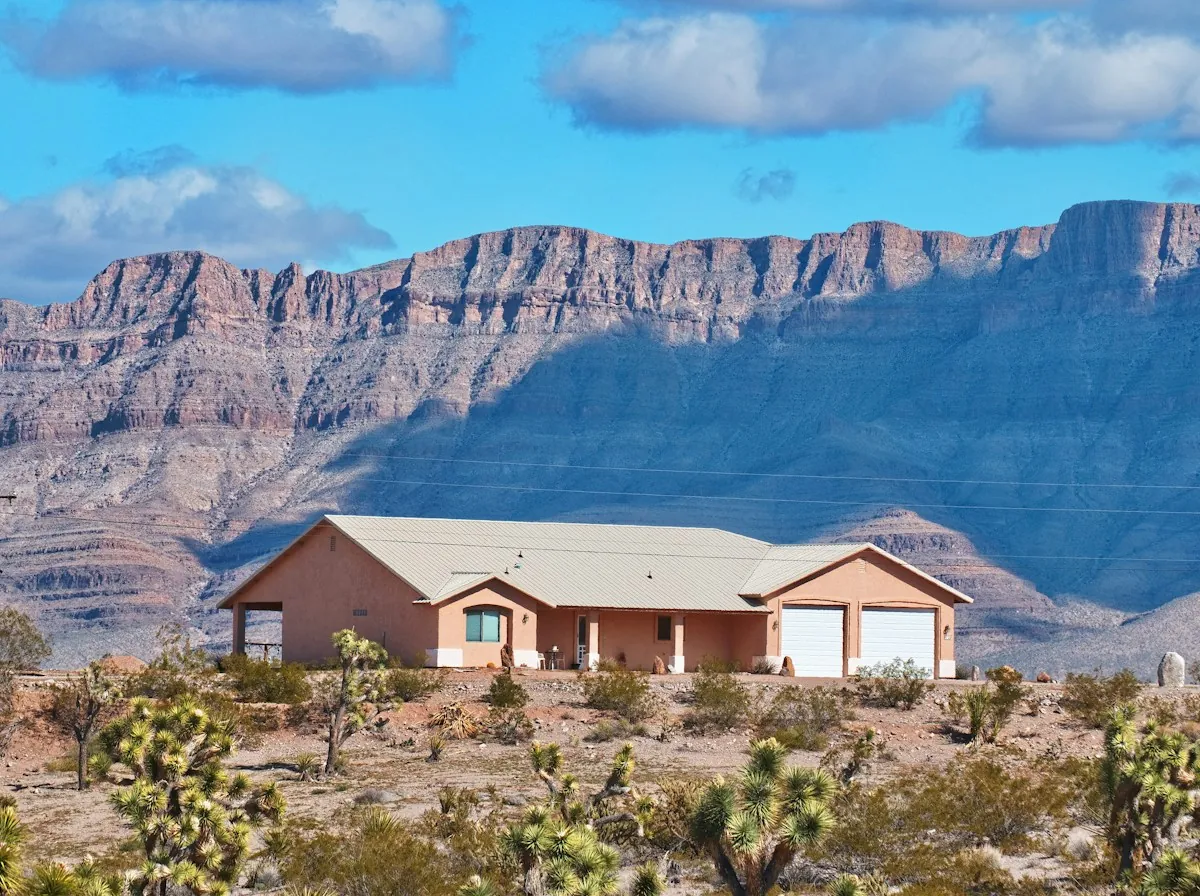
A High Desert city that grew outward from Main Street across decades of low-density building, on generous lots by Southern California standards. Single-family housing on large parcels, a good deal of it with detached garages, workshops or covered structures as well as the house.
Zone 14 is the hardest climate any site in this network covers, and it works on a covering mechanically rather than chemically: a forty-degree daily swing cycles asphalt until the mat gives up, and wind finds anything not fastened for it. Tile handles it far better than composition does -- but the felt under the tile does not.
Hesperia is Title 24 climate zone 14, which puts the steep-slope cool-roof requirement in play on any re-roof covering half the roof or more.

Hesperia and the High Desert communities around it - and whether your permit comes from a city, a town, or San Bernardino County.
Building since 1971. Dust, wells and wide lots.
Civic Plaza and Main Street. Commercial low slope.
Unincorporated. Newer houses, busier geometry.
The pass. The most exposed ground on this site.
Higher, colder, and more than one roof per parcel.
Its own city, and a lot of multi-family.
A Town, not a city. Barns as often as houses.
Answers to what actually gets asked on the phone.
Usually because they are not the same roof. Check whether each includes a full tear-off, how sheathing is priced, what underlayment is specified, and what fastening pattern is quoted. That last one is the High Desert variable and it is the one most often left blank.
Less than the box says. Expect composition to show its age noticeably earlier than the same product would on the coast, and expect the underlayment under tile to be the limiting factor rather than the tile. Ventilation and fastening move that number more than the brand does.
Typically $7,500 to $18,000. High Desert labor runs below the Los Angeles basin, though travel is longer, so an LA average reads high here and a national average reads low. Composition is about $5.50 to $8.50 per square foot; tile considerably more, unless a relay is possible.
Because the warranty was written for an average American climate and this is not one. Hesperia sees a daily swing that can run forty degrees between afternoon and dawn, all year. Asphalt expands and contracts through that cycle until the mat cannot recover, which is why you see curling and granule loss early here.
Probably yes. Hesperia is Title 24 climate zone 14, and the steep-slope cool-roof requirement applies in zones 10 through 15 -- so your pitched roof is in scope once you replace 50% or more of it. The minimum is aged solar reflectance 0.20 and thermal emittance 0.75, or SRI 16.
Free inspection, a written quote, and a fastening spec written for the wind that actually blows here.