Roof Replacement in The Mesa from $7,500. Stripped, decked, and fixed down to a nailing pattern that survives a spring blow. Free inspection and a written quote.
Out on the Mesa a replacement has to be planned around water rather than weather. A great many parcels here sit outside the district on a private or shared well, so there is no hose to rely on for clean-up or for a leak test at the end. That gets arranged before the crew arrives rather than discovered on the day.
High Desert roofs do not fail the way coastal roofs fail. There is no salt air and very little rain to blame. What there is instead is ultraviolet at altitude, a daily temperature swing that can run forty degrees between afternoon and dawn, and wind with nothing in the way of it.


A full replacement here typically runs $7,500 to $18,000. High Desert labor sits below the Los Angeles basin and travel is longer, so an LA average reads high and a national average reads low. A survey is what turns a range into a price. Budget for access and for water. Unmade roads slow material in and waste out, and on a parcel outside the water district there is no hose for clean-up or a leak test -- that gets arranged rather than assumed.
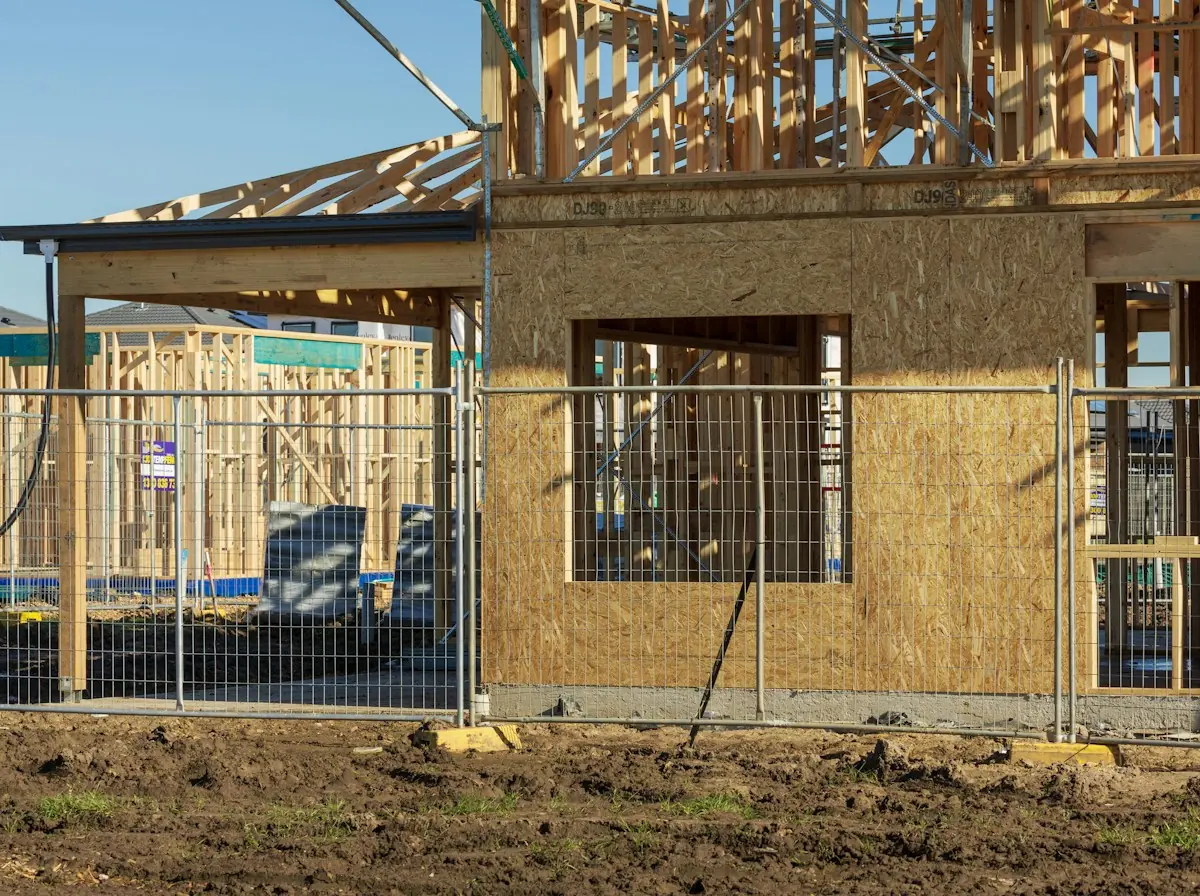
A simple roof shape, a sound plywood deck, road access a truck can reach, and an attic that already meets one of the cool-roof exceptions.
A high-wind fastening specification on an exposed lot, tile rather than composition, several structures on one parcel, or soft decking found once the covering is off.
How many nails, and where. It is invisible afterwards, it costs very little at the time, and out here it is the difference between a roof that survives a spring blow and one that does not.
Developing since 1971, and still rural in character -- dusty roads, wide spacing and the Mojave on every side.
Midsize houses on large private parcels, frequently with outbuildings, and often outside the water district on a private or shared well.
Two things are specific to the Mesa. Dust is constant and it packs into valleys, under tile courses and around every penetration, holding what little moisture there is against the covering. And being off the water district matters during work: there is no hose to rely on for clean-up or for a leak test, so that gets planned rather than assumed.
The Mesa has been building out since 1971 and much of it sits outside the water district on a private or shared well, which changes how a job is planned.
This is a replacement company saying so. In the High Desert the expensive mistake is buying a new covering when the problem was the felt, the fastening or the ventilation.
Concrete tile handles this climate well. Standard felt in a hundred-degree attic does not. A tile roof quoted at $22,000 to $45,000 is very often a $6,000 to $16,000 relay -- with a high-temperature underlayment this time.
What lets go out here is usually a fixing or a lap that the wind has worked on for a season, and putting it right is a few hundred dollars. It is also the commonest opening for a replacement pitch, which is a different conversation entirely.
And roofs do finish out here, all at once, after enough seasons of wind and sun. When that is the answer we will give it -- and show you the slope it is based on.
Dust is the thing nobody accounts for on a Mesa cool roof.
Mesa dust works into the tile courses and packs against the underlayment, holding what little moisture there is where it does the most harm.
Wind-driven grit off open desert abrades a shingle surface in a way a built-up street does not, stripping granules from the exposed slope faster than from the sheltered one.
Long-span shelters and workshops are the common low slope on a Mesa parcel, and deflection over thirty feet takes away whatever fall was designed in.
Outbuildings are separate structures with separate 50% tests, which is the most useful fact on this page for a Mesa owner.
Zone 14. Wind and a forty-degree daily swing.
Civic Plaza and Main Street. Commercial low slope.
Unincorporated. Newer houses, busier geometry.
The pass. The most exposed ground on this site.
Higher, colder, and more than one roof per parcel.
Its own city, and a lot of multi-family.
A Town, not a city. Barns as often as houses.
Asked on every job of this kind. Answered here.
Usually because they are not the same roof. Check whether each includes a full tear-off, how sheathing is priced, what underlayment is specified, and what fastening pattern is quoted. That last one is the High Desert variable and it is the one most often left blank.
Less than the box says. Expect composition to show its age noticeably earlier than the same product would on the coast, and expect the underlayment under tile to be the limiting factor rather than the tile. Ventilation and fastening move that number more than the brand does.
Because the warranty was written for an average American climate and this is not one. Hesperia sees a daily swing that can run forty degrees between afternoon and dawn, all year. Asphalt expands and contracts through that cycle until the mat cannot recover, which is why you see curling and granule loss early here.
More than the brand of shingle. A four-nail minimum passes inspection anywhere in the state; six nails placed correctly in the nailing zone is what survives sustained High Desert wind. It adds very little to a quote, it is invisible once the roof is on, and it is the most common thing to be quietly left out.
Four documented exceptions: an addition under 300 square feet of roofing, an attic radiant barrier, R-20 or better attic insulation, or properly sealed ducts. Out here the insulation route is usually the better buy anyway -- it cuts the cooling load rather than reflecting a fraction of it, on a house that runs air conditioning five months a year.
Free inspection, and a written quote against a written scope. Fastening pattern specified for wind, not left to the minimum.