Shingle Roof Replacement in Downtown Hesperia from $5.50. The covering this climate is hardest on, installed for wind rather than to the minimum. Free inspection and a written quote.
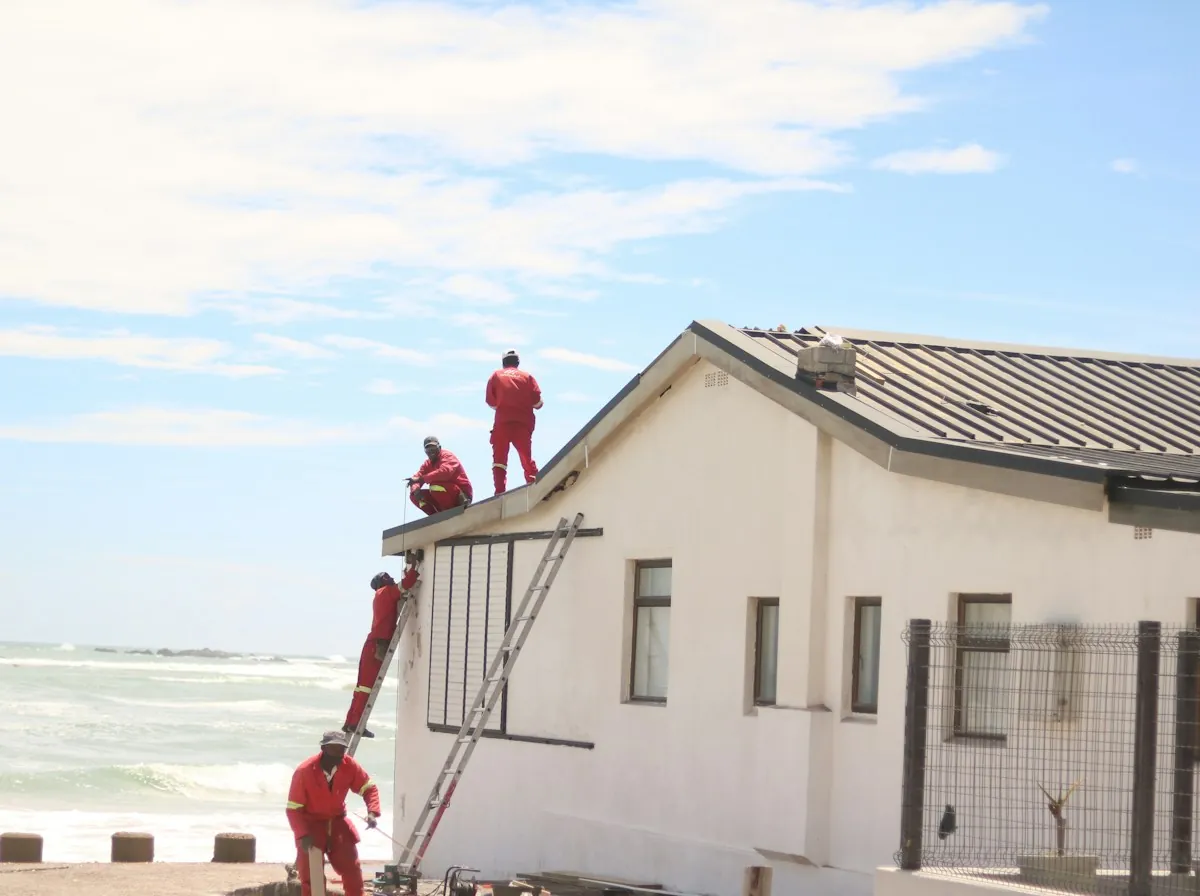
Composition Downtown is mostly on the residential blocks behind Main Street, and the job there is defined by having nowhere to work from: ladder placement off the curb, no staging, and a tear-off that has to be carried out rather than dropped into a dumpster on the drive.
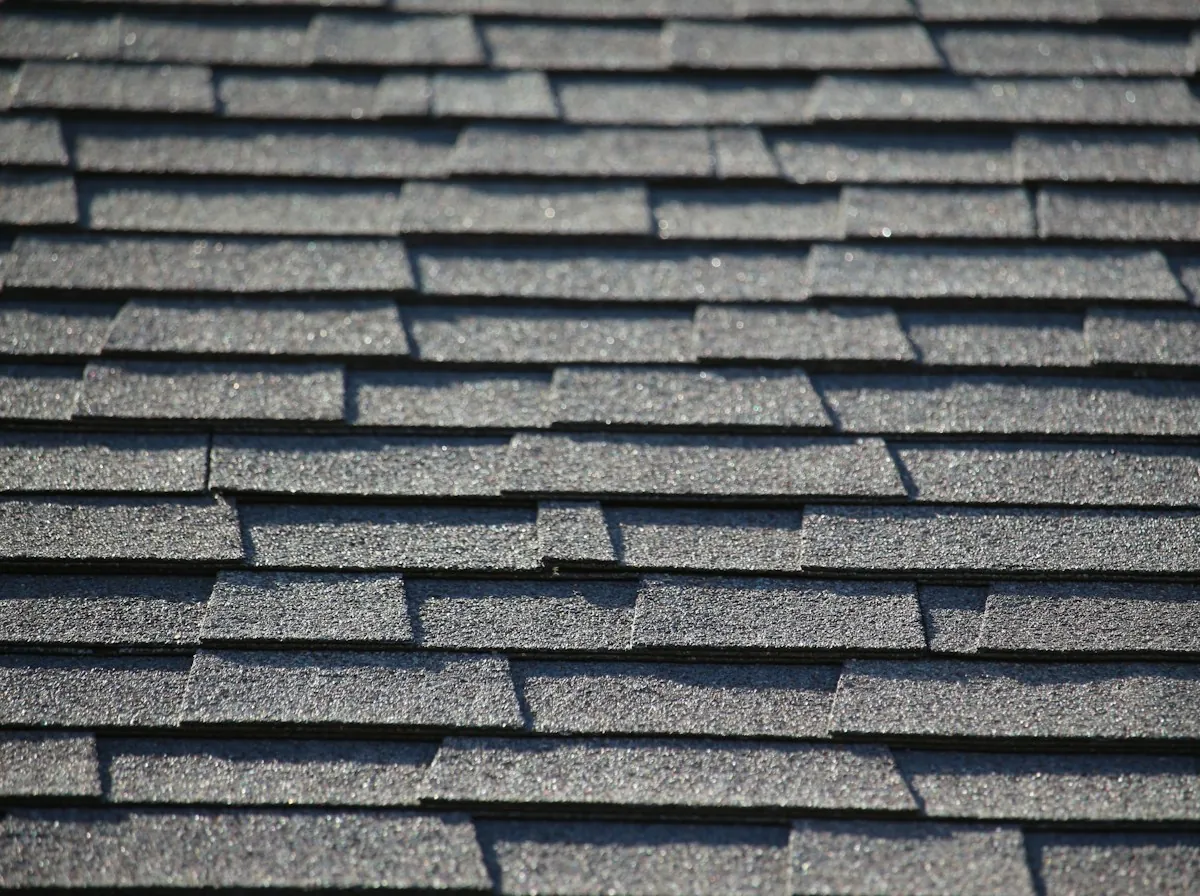
Composition shingle has the shortest life of any covering in zone 14, and the reason is mechanical rather than thermal. The daily expansion and contraction of a forty-degree swing works the mat until it cannot recover, so you see curling at the edges and granule loss across whole slopes years before the warranty period is up.


Composition runs about $5.50 to $8.50 per square foot in the High Desert, below the Los Angeles basin because labor is cheaper here. What should not be shaved is the fastening: a high-wind nailing pattern adds very little to that figure and is the single biggest factor in how long the roof lasts. Commercial low slope prices off the plant, not the membrane. Every roof-mounted unit is a curb to re-flash, and work above a trading business is sequenced around its hours. The membrane is the smaller half of the job.
A single-layer tear-off onto sound plywood, a simple roof shape, and a color whose aged rating is comfortably compliant.
A second existing layer, a steep pitch, an exposed lot needing the full high-wind specification, or a dark color that needs a premium product to meet the aged minimum.
Warranties are written for an average American climate. A forty-degree daily swing cycles the mat until it cannot recover, so judge the roof by its condition rather than by the years left on paper.
Downtown is where the commercial low slope is, and it is a different job from a house. Roof-mounted plant, curbs and ducting each need re-flashing, the membrane is the smaller half of the cost, and work above a trading business has to be sequenced around its hours rather than around the weather.
Downtown Hesperia centers on Civic Plaza Park and the Main Street shopping centers, so most roofs there are low slope over trading premises rather than pitched over houses.
This is a replacement company saying so. In the High Desert the expensive mistake is buying a new covering when the problem was the felt, the fastening or the ventilation.
If the complaint is an unbearable upstairs rather than a leak, attic ventilation and insulation will do more than any covering -- and R-20 insulation happens to exempt you from the cool-roof requirement as well.
What lets go out here is usually a fixing or a lap that the wind has worked on for a season, and putting it right is a few hundred dollars. It is also the commonest opening for a replacement pitch, which is a different conversation entirely.
And roofs do finish out here, all at once, after enough seasons of wind and sun. When that is the answer we will give it -- and show you the slope it is based on.
Downtown work is sequenced around trading hours, not around the forecast.
On a Main Street building the low-slope requirement is the binding one, and it is much stricter: aged SRI 75 rather than the 16 that applies to a pitched roof.
There is comparatively little tile Downtown; the older residential blocks behind Main Street are where it appears.
This is the main event Downtown.
On a Main Street building, partial usually means working in sections around plant that cannot be shut down.
Zone 14. Wind and a forty-degree daily swing.
Building since 1971. Dust, wells and wide lots.
Unincorporated. Newer houses, busier geometry.
The pass. The most exposed ground on this site.
Higher, colder, and more than one roof per parcel.
Its own city, and a lot of multi-family.
A Town, not a city. Barns as often as houses.
Asked on every job of this kind. Answered here.
It is legal up to a limit and it is a bad idea here for a specific reason: you cannot fasten reliably through two layers into the deck, so the new covering has worse wind performance than the old one did. In a climate where wind is the main hazard, that is the wrong trade.
It can. The requirement is on the aged solar reflectance in the CRRC listing, and the darker end of most ranges is where it gets marginal. Pick the color you want, then check its listing rather than assuming.
More than the brand of shingle. A four-nail minimum passes inspection anywhere in the state; six nails placed correctly in the nailing zone is what survives sustained High Desert wind. It adds very little to a quote, it is invisible once the roof is on, and it is the most common thing to be quietly left out.
Probably yes. Hesperia is Title 24 climate zone 14, and the steep-slope cool-roof requirement applies in zones 10 through 15 -- so your pitched roof is in scope once you replace 50% or more of it. The minimum is aged solar reflectance 0.20 and thermal emittance 0.75, or SRI 16.
For longevity, generally yes. Concrete tile ignores the ultraviolet that destroys asphalt, holds its shape through the daily cycle, and is heavy enough that uplift is rarely the issue. The catch is the underlayment beneath it, which needs to be a high-temperature product rather than standard felt.
Free inspection, and a written quote against a written scope. Fastening pattern specified for wind, not left to the minimum.