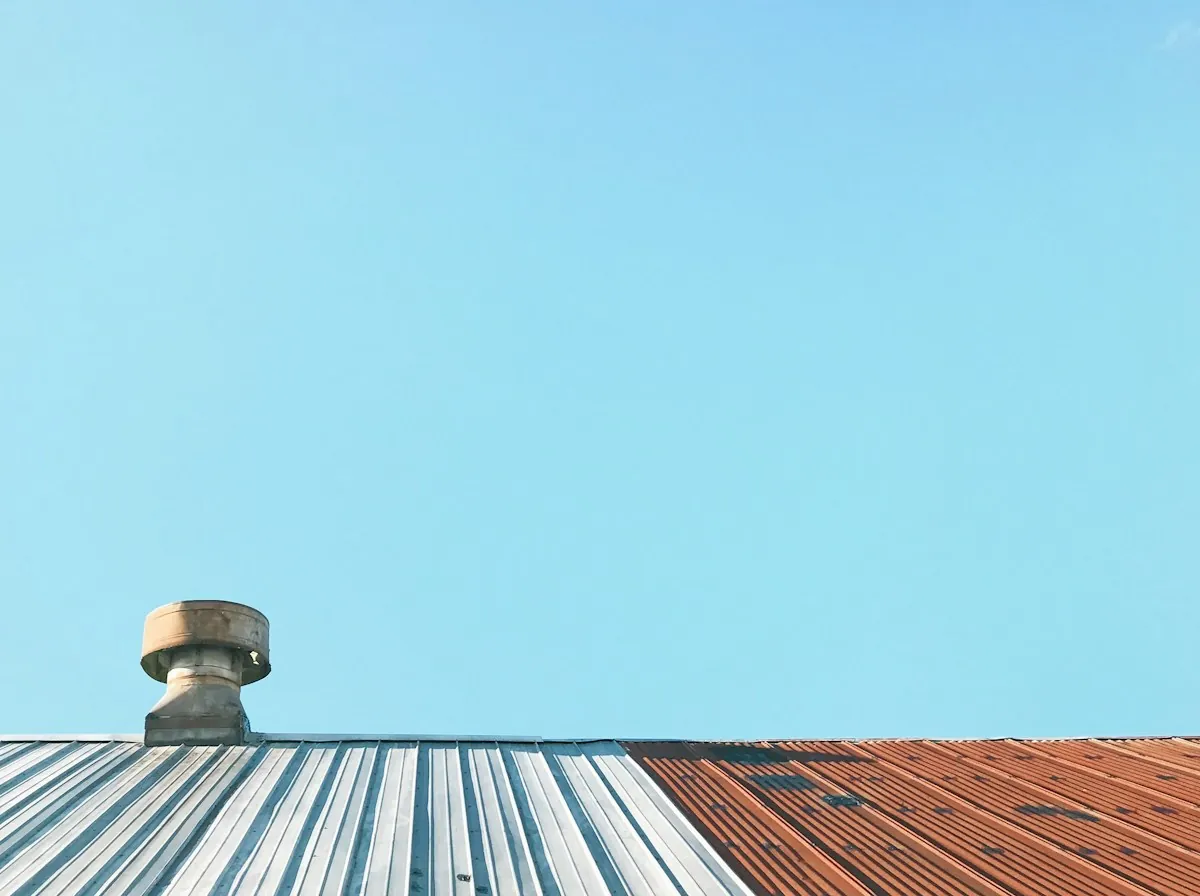
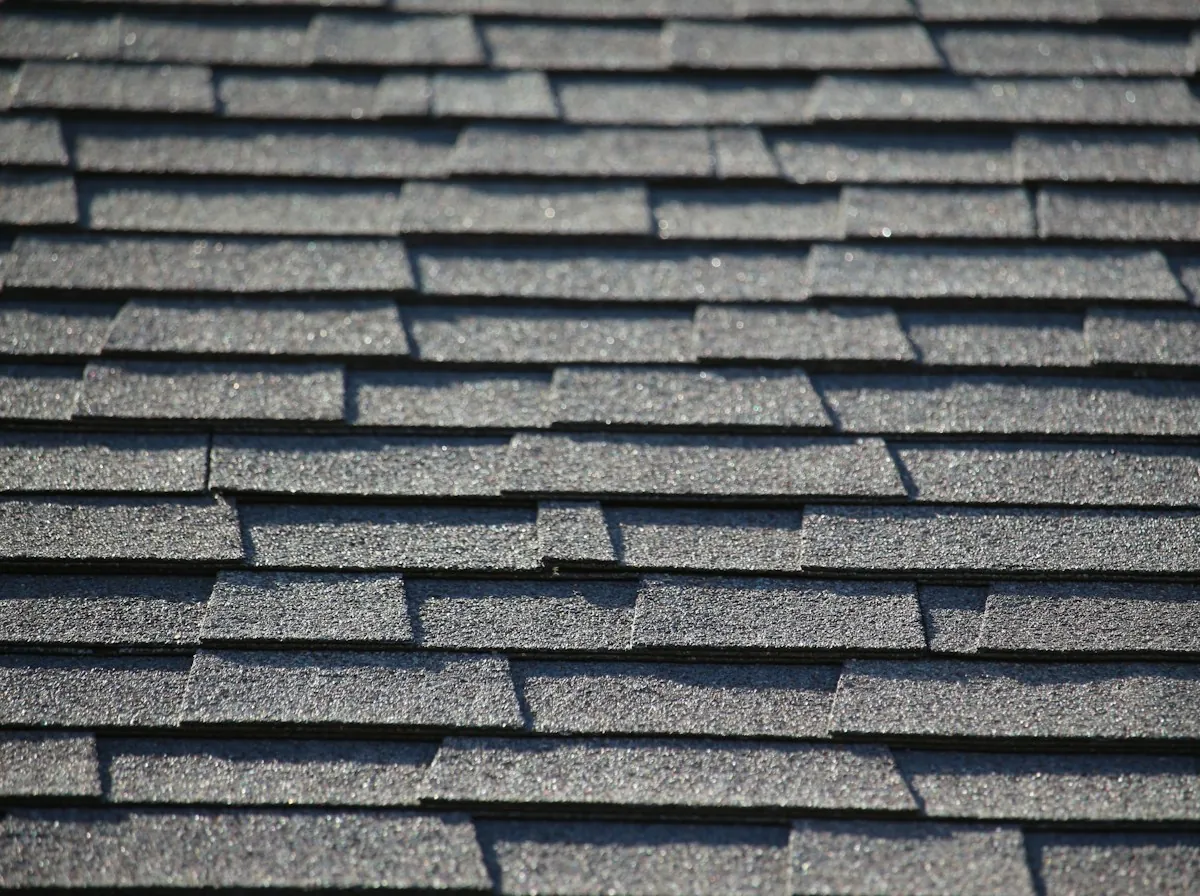
Partial Roof Replacement in Apple Valley from $300. Below 50% the cool-roof rule does not bite. Above it, the whole roof complies. Free inspection and a written quote.
The house, the barn and any covered shelter are separate structures with separate tests, so phasing across them is straightforward. What is worth doing in one visit is anything sharing access -- getting a crew and material onto a large equestrian lot twice costs more than the work saved.
The 50% line decides whether your pitched roof has to meet the cool-roof requirement at all. Under it, you are repairing a section. Over it, the whole roof complies. In zone 14 that is worth real money, so a partial is worth costing rather than dismissing.


A partial sits between a repair, which is $300 to $1,200 here, and a full replacement at $7,500 to $18,000. High Desert roofs fail unevenly -- the south and west slopes go years before the north one -- so replacing what has failed and leaving what has not is often the honest answer rather than a compromise. Town of Apple Valley permits -- its own department. On an equestrian lot expect the quote to cover a house, a barn and a shelter separately, because they are different spans and often different coverings.
Under 50% of the roof area, the steep-slope cool-roof requirement does not apply. Over it, the whole roof complies. That is measured, not estimated.
Travel. Mobilization costs more in the High Desert than in town, so two partials can genuinely cost more than one replacement -- especially on a parcel with several structures.
A workshop or a barn is its own building with its own 50% test, so phasing across structures does not combine. Phasing across slopes on one roof does.
Apple Valley is a Town, and its building department is its own -- not the county and not Hesperia. The equestrian character is the other thing that changes a job: barns, stables and covered arenas are long-span low slope, and a leak over stored feed or tack is more urgent than a stained ceiling. Tell us what is under which roof.
Apple Valley is an incorporated Town with its own building department, and much of it is equestrian, so outbuilding roofs are as common as house roofs.
Worth knowing before you start ringing round, and worth factoring into anything with a deadline on it.
The High Desert damages roofs and then hides it. A spring blow lifts a section, the sun dries everything within the hour, and nothing appears inside until the next real rain -- which can be months later, by which time nobody connects the two events. Most winter emergency calls out here are the bill for a windy March.
Apple Valley is an incorporated Town with its own building department -- not the county, not Hesperia.
Barns and covered arenas are usually low slope, which carries the aged SRI 75 requirement rather than the pitched-roof 16 -- and those are the roofs on an equestrian property most likely to be replaced whole.
On an equestrian property the house is often tile and the outbuildings almost never are -- two different jobs, and the saving comes from one mobilization rather than from pretending they are the same work.
On a large equestrian lot the house shingle and the shelter roofs are exposed completely differently -- the house is usually screened by planting and outbuildings sit in open wind.
Covered arenas and barns are the longest spans covered anywhere on this site, and a deflection that would not matter on a house holds standing water across sixty feet.
Zone 14. Wind and a forty-degree daily swing.
Building since 1971. Dust, wells and wide lots.
Civic Plaza and Main Street. Commercial low slope.
Unincorporated. Newer houses, busier geometry.
The pass. The most exposed ground on this site.
Higher, colder, and more than one roof per parcel.
Its own city, and a lot of multi-family.
Asked on every job of this kind. Answered here.
Completely, and it is the usual High Desert pattern. The south and west slopes take the ultraviolet and the afternoon heat; the north slope on the same house can be years behind. Replacing what has gone and leaving what has not is often correct rather than a compromise.
It can, because the steep-slope cool-roof requirement only applies once you replace half the roof or more. Under that line the product question does not arise. Worth measuring properly -- and worth weighing against travel, because two visits out here cost more than two visits in town.
No. The inspection is free, the written quote is free, and there is no obligation attached to either. What we will not do is give you a price at the door, or quote a cool roof without first looking in the attic to see whether an exception already applies.
Typically $7,500 to $18,000. High Desert labor runs below the Los Angeles basin, though travel is longer, so an LA average reads high here and a national average reads low. Composition is about $5.50 to $8.50 per square foot; tile considerably more, unless a relay is possible.
More than the brand of shingle. A four-nail minimum passes inspection anywhere in the state; six nails placed correctly in the nailing zone is what survives sustained High Desert wind. It adds very little to a quote, it is invisible once the roof is on, and it is the most common thing to be quietly left out.
Free inspection, and a written quote against a written scope. Fastening pattern specified for wind, not left to the minimum.