Partial Roof Replacement in Summit Valley from $300. Below 50% the cool-roof rule does not bite. Above it, the whole roof complies. Free inspection and a written quote.
Wind damage up here is localized by nature -- it takes the exposed slope and leaves the sheltered one -- so a single-slope partial is the common and correct job. Check the sheltered slope properly all the same, because a roof whose other half is also finished is a false economy at these travel distances.
The 50% line decides whether your pitched roof has to meet the cool-roof requirement at all. Under it, you are repairing a section. Over it, the whole roof complies. In zone 14 that is worth real money, so a partial is worth costing rather than dismissing.


A partial sits between a repair, which is $300 to $1,200 here, and a full replacement at $7,500 to $18,000. High Desert roofs fail unevenly -- the south and west slopes go years before the north one -- so replacing what has failed and leaving what has not is often the honest answer rather than a compromise. The most exposed ground covered here, so expect the fastening and edge-fixing specification to carry a real cost -- and expect it to be worth it. Permits are county, and many parcels are on their own well.
Under 50% of the roof area, the steep-slope cool-roof requirement does not apply. Over it, the whole roof complies. That is measured, not estimated.
Travel. Mobilization costs more in the High Desert than in town, so two partials can genuinely cost more than one replacement -- especially on a parcel with several structures.
A workshop or a barn is its own building with its own 50% test, so phasing across structures does not combine. Phasing across slopes on one roof does.
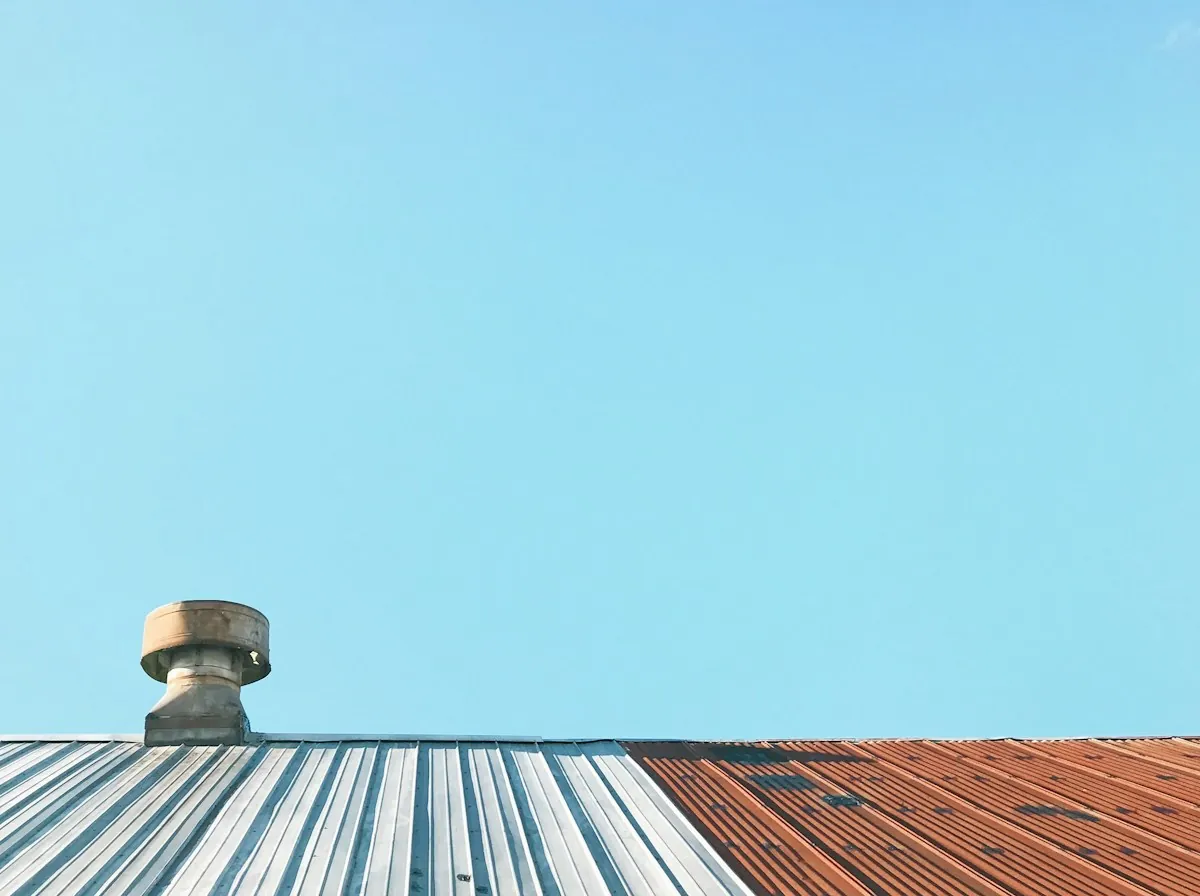
Summit Valley is the most exposed ground covered on this site. Wind funnelling through the pass is stronger and more sustained than on the valley floor, which makes the fastening specification the single most important line on a quote here. Long-span shelters are the other common job, and those are low slope with their own ponding problems.
Summit Valley properties frequently fall outside the water district and depend on a private or shared well, and the permit route is San Bernardino County.
This is a replacement company saying so. In the High Desert the expensive mistake is buying a new covering when the problem was the felt, the fastening or the ventilation.
If the complaint is an unbearable upstairs rather than a leak, attic ventilation and insulation will do more than any covering -- and R-20 insulation happens to exempt you from the cool-roof requirement as well.
What lets go out here is usually a fixing or a lap that the wind has worked on for a season, and putting it right is a few hundred dollars. It is also the commonest opening for a replacement pitch, which is a different conversation entirely.
And roofs do finish out here, all at once, after enough seasons of wind and sun. When that is the answer we will give it -- and show you the slope it is based on.
This is the most exposed ground on the site.
Where a property sits outside the water district and runs on a well, the cooling load matters more than usual because evaporative cooling is not a free option.
Wind through the pass lifts tile, and lifted tile is cracked tile by the time anyone looks.
This is where fastening decides everything.
Wind uplift on a low-slope roof is about perimeter fixing and edge detail, not the field, and Summit Valley is the place on this site where that matters most.
Zone 14. Wind and a forty-degree daily swing.
Building since 1971. Dust, wells and wide lots.
Civic Plaza and Main Street. Commercial low slope.
Unincorporated. Newer houses, busier geometry.
Higher, colder, and more than one roof per parcel.
Its own city, and a lot of multi-family.
A Town, not a city. Barns as often as houses.
Asked on every job of this kind. Answered here.
Completely, and it is the usual High Desert pattern. The south and west slopes take the ultraviolet and the afternoon heat; the north slope on the same house can be years behind. Replacing what has gone and leaving what has not is often correct rather than a compromise.
It can, because the steep-slope cool-roof requirement only applies once you replace half the roof or more. Under that line the product question does not arise. Worth measuring properly -- and worth weighing against travel, because two visits out here cost more than two visits in town.
Four documented exceptions: an addition under 300 square feet of roofing, an attic radiant barrier, R-20 or better attic insulation, or properly sealed ducts. Out here the insulation route is usually the better buy anyway -- it cuts the cooling load rather than reflecting a fraction of it, on a house that runs air conditioning five months a year.
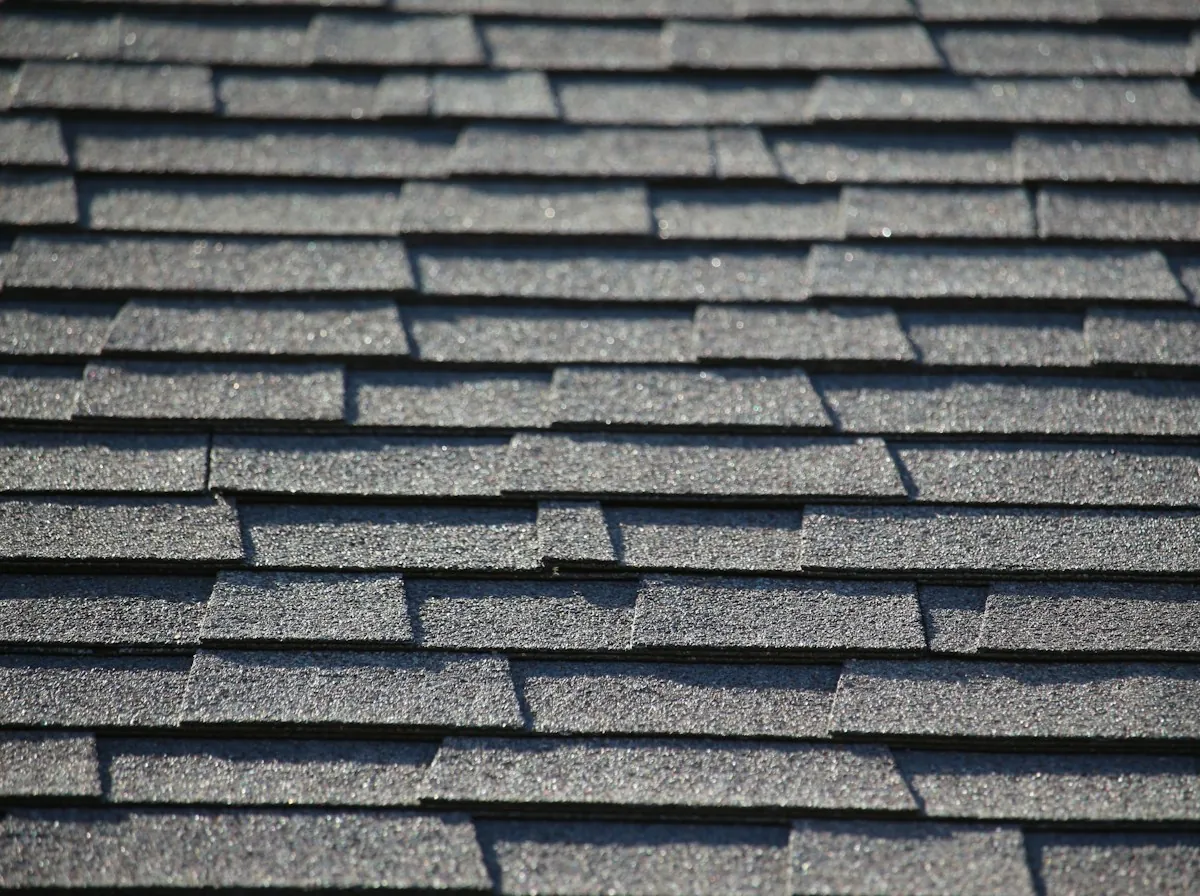
For longevity, generally yes. Concrete tile ignores the ultraviolet that destroys asphalt, holds its shape through the daily cycle, and is heavy enough that uplift is rarely the issue. The catch is the underlayment beneath it, which needs to be a high-temperature product rather than standard felt.
No. The inspection is free, the written quote is free, and there is no obligation attached to either. What we will not do is give you a price at the door, or quote a cool roof without first looking in the attic to see whether an exception already applies.
Free inspection, and a written quote against a written scope. Fastening pattern specified for wind, not left to the minimum.